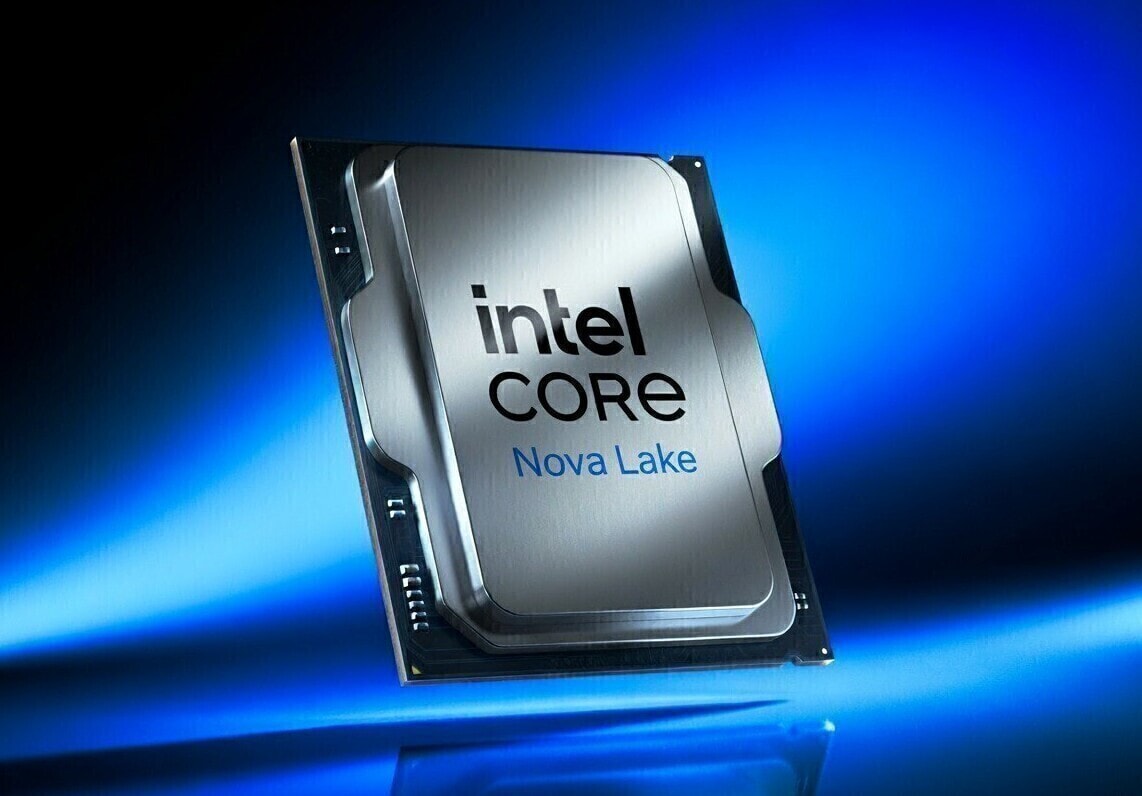
Intel Nova Lake-S: A New Era of High-Performance Desktop CPUs
Intel’s upcoming "Nova Lake" CPU microarchitecture is generating significant attention in the tech community, particularly for its impressive performance capabilities and substantial power requirements. Recent leaks, corroborated by reputable Intel source Jaykihn, reveal that the flagship overclocking-oriented "Nova Lake-S" processor will feature a dual compute die design with up to 52 cores. Notably, this processor is expected to operate with a PL2 power level of 474 watts—a figure that surpasses anything previously seen in Intel’s consumer desktop lineup and approaches the territory of high-end desktop (HEDT) platforms.
The introduction of such a high PL2 setting underscores Intel’s commitment to pushing the boundaries of desktop CPU performance. While earlier rumors hinted at the power-hungry nature of the upcoming Intel Z990 platform, these new details provide a clearer picture of just how demanding the next generation of Intel CPUs will be.
Motherboard Innovations: Three 8-Pin CPU Power Connectors
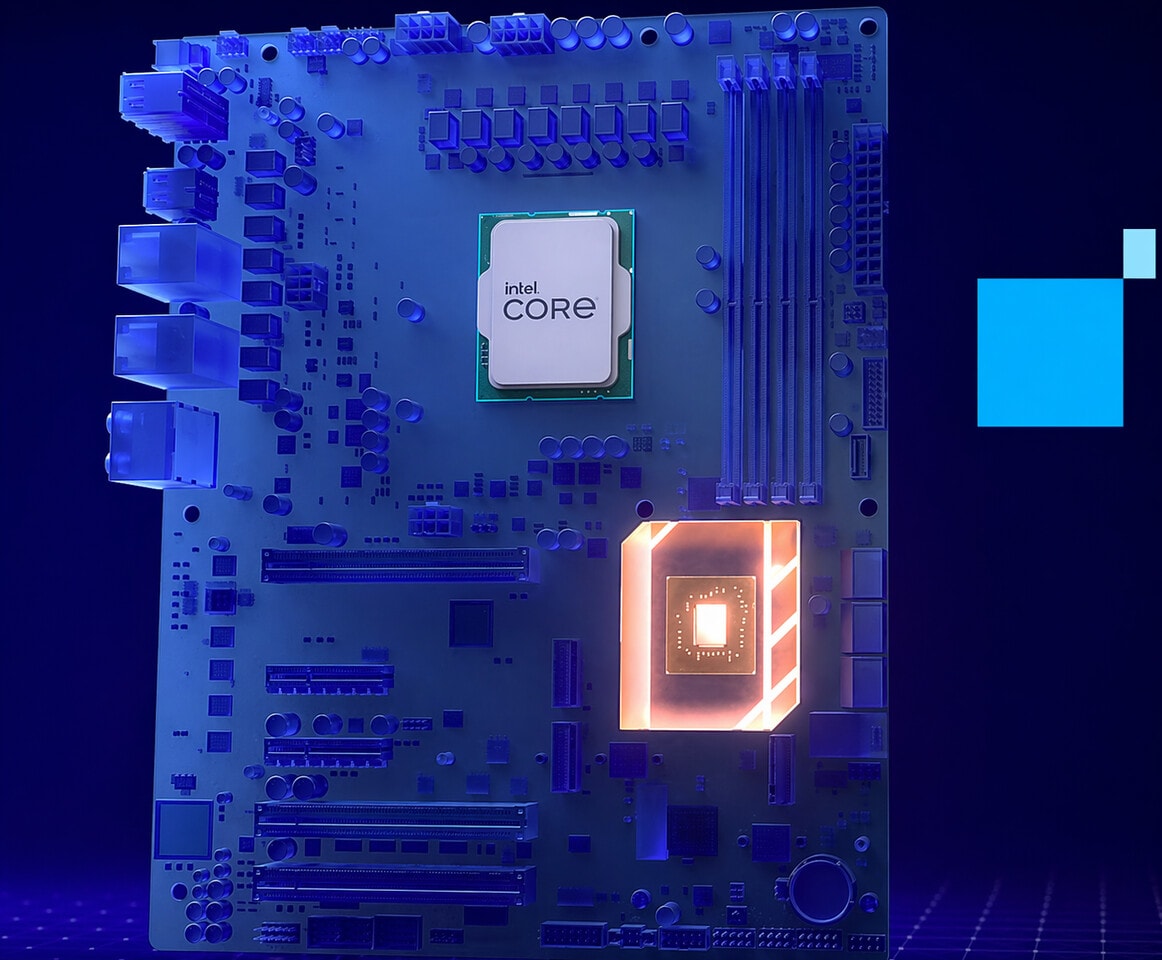
To accommodate the increased power requirements of Nova Lake-S, Intel’s reference Z990 motherboard design now supports up to three 8-pin CPU power connectors. This is a notable shift from the current standard, where most enthusiast motherboards typically feature two 8-pin EPS connectors. The addition of a third connector is primarily aimed at the most extreme overclocking scenarios, providing additional power headroom for users looking to push the 52-core CPUs to their limits.
It’s important to note that while the triple 8-pin configuration is available, it is not mandatory for all dual compute die designs. Motherboards equipped with either two or three EPS connectors will still be compatible with Intel’s upcoming high-end 44-core and 52-core processors, which are expected to operate on a 175-watt platform under standard conditions. The third connector is reserved for overclocking-focused models, ensuring stability and performance during intensive workloads.
Dual-Die Architecture and Tiled Design
One of the most significant architectural advancements in Nova Lake-S is Intel’s adoption of a tiled approach, enabling higher compute capabilities across various SKUs. The introduction of dual-die processors marks a strategic move, allowing two compute tiles to be connected to a central SoC tile. This design enables Intel to achieve unprecedented core counts in the consumer desktop segment.
In this architecture, both compute tiles have equal access to system memory and PCIe lanes, mirroring the approach used by AMD in its high-core-count CPUs. A single compute tile configuration can support up to 28 cores, while the dual compute die setup pushes the maximum to 52 cores. This innovation not only boosts multi-threaded performance but also positions Intel to compete more aggressively in the high-performance desktop market.
Conclusion
Intel’s Nova Lake-S CPUs represent a significant leap forward in desktop processor technology, combining high core counts with advanced power delivery and innovative architectural design. As the Z990 platform and Nova Lake-S processors approach launch, enthusiasts and professionals alike can anticipate a new standard in desktop computing performance, albeit with increased power demands and advanced motherboard requirements.